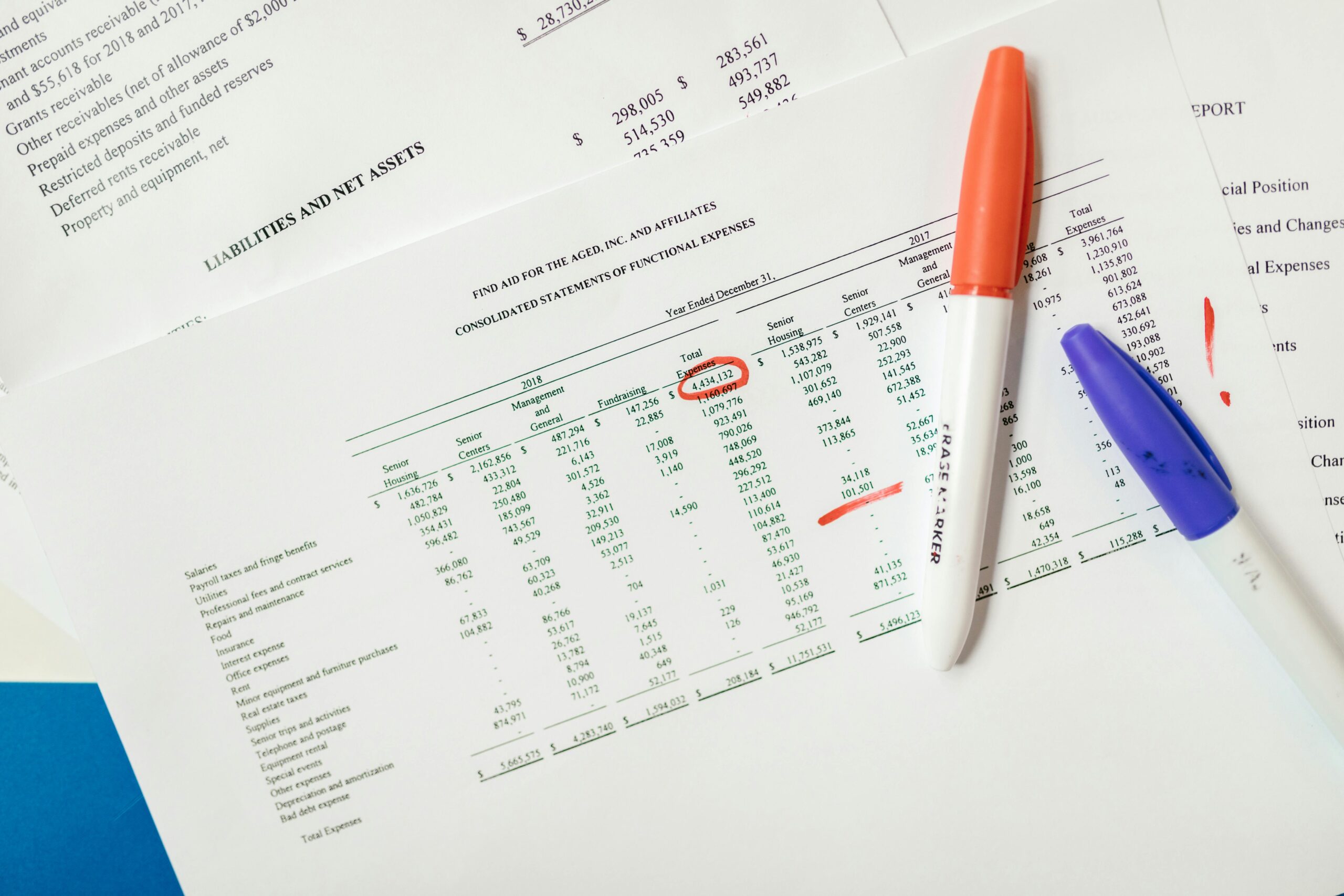
Precision in calculations isn’t just a nice-to-have skill—it’s the foundation of successful planning, budgeting, and execution across every professional and personal endeavor.

🎯 Why Calculation Accuracy Matters More Than You Think
Every day, professionals and individuals make countless calculations that influence critical decisions. From financial planning to engineering projects, from recipe measurements to construction blueprints, the margin for error can mean the difference between success and catastrophic failure. A single misplaced decimal point has historically cost companies millions of dollars, and in some cases, has endangered lives.
The impact of calculation errors extends far beyond the immediate mistake. When you’re preparing reports, budgets, or project timelines, inaccuracies cascade through every subsequent decision. Stakeholders lose confidence, resources get misallocated, and deadlines become impossible to meet. Understanding the true cost of mathematical mistakes is the first step toward developing a mindset of precision.
Consider the Mars Climate Orbiter, which disintegrated in 1999 because one team used metric units while another used imperial measurements. This $327 million mistake demonstrates how even highly trained professionals can fall victim to calculation errors when systems aren’t properly aligned. The lesson? No one is immune to mathematical mistakes, but everyone can take steps to prevent them.
📊 Common Calculation Errors That Derail Perfect Preparation
Before mastering accuracy, you need to recognize where errors typically originate. Most calculation mistakes fall into predictable patterns that, once identified, become much easier to avoid.
Unit Conversion Mishaps
Converting between measurement systems remains one of the most frequent sources of error. Whether you’re converting currencies, distances, volumes, or temperatures, each conversion introduces an opportunity for mistakes. The challenge intensifies when dealing with compound units like miles per hour to meters per second, or when working across different systems simultaneously.
Professional preparers develop conversion reference sheets and double-check every transformation. They never rely solely on memory for conversion factors, especially for less common conversions. Creating standardized templates for recurring conversion needs eliminates repetitive calculation risks.
Order of Operations Oversights
Remember PEMDAS or BODMAS from school? These acronyms represent the fundamental order of mathematical operations: Parentheses/Brackets, Exponents/Orders, Multiplication and Division, Addition and Subtraction. When complex formulas involve multiple operations, forgetting this hierarchy produces dramatically incorrect results.
Financial calculations particularly suffer from order-of-operations errors. Computing compound interest, loan amortization, or investment returns requires meticulous attention to which operations execute first. One misplaced parenthesis in a spreadsheet formula can propagate errors across thousands of cells.
Rounding Errors and Precision Loss
How many decimal places should you keep? This seemingly simple question has complex implications. Round too early in a multi-step calculation, and accumulated rounding errors distort your final answer. Keep too many decimal places, and you imply a false level of precision that doesn’t reflect reality.
Engineers and scientists follow strict rounding protocols based on significant figures. Financial professionals must balance regulatory requirements with practical presentation. Understanding when and how to round is an essential skill that develops through experience and deliberate practice.
🛠️ Building a Systematic Approach to Calculation Excellence
Accuracy doesn’t happen by accident—it results from deliberate systems and habits. The most reliable preparers follow structured methodologies that minimize error opportunities at every stage.
The Three-Step Verification Method
Professional accountants and engineers rarely accept a calculation result on first pass. They employ a verification protocol that catches most errors before they cause problems:
- Initial calculation: Complete the computation using your primary method or tool
- Independent verification: Recalculate using a different approach or tool
- Reasonableness check: Assess whether the result makes logical sense given the inputs
This three-step process might seem time-consuming, but it’s vastly more efficient than correcting errors after they’ve influenced major decisions. The time invested in verification pays dividends by preventing costly mistakes and building stakeholder confidence.
Leveraging Technology Without Becoming Dependent
Modern calculators, spreadsheets, and specialized software have revolutionized computational accuracy. However, blind reliance on technology creates new vulnerabilities. Software bugs exist, formulas get corrupted, and user input errors bypass even the most sophisticated programs.
The solution isn’t avoiding technology—it’s using it intelligently. Always maintain mental estimation skills to catch obviously wrong outputs. Understand the logic behind complex formulas rather than treating them as black boxes. When using spreadsheets, audit formulas periodically and use cell protection to prevent accidental changes to critical calculations.
For professionals who regularly work with complex calculations, specialized calculator applications can provide enhanced accuracy and verification features. These tools often include built-in error checking and the ability to save calculation templates for repeated use.
Documentation: Your Secret Weapon Against Errors
Proper documentation transforms calculations from mysterious number generation into transparent, auditable processes. When you document your work, you create multiple opportunities to catch errors and enable others to verify your results.
Effective calculation documentation includes:
- Clear identification of all input values and their sources
- Explicit statement of assumptions and constraints
- Step-by-step progression through the calculation logic
- Units labeled at every stage to prevent conversion errors
- Final answer highlighted with appropriate precision
This practice proves especially valuable when returning to a calculation weeks or months later. Without documentation, you’ll struggle to understand your own work, let alone identify potential errors.
💼 Industry-Specific Accuracy Requirements
Different fields demand varying levels of precision, and understanding your industry’s standards prevents both over-engineering and dangerous under-specification.
Financial Services: Zero Tolerance for Errors
Banking, accounting, and investment management operate under strict regulatory scrutiny where calculation errors can result in legal liability, financial penalties, and reputational damage. Financial professionals must reconcile accounts to the penny and maintain audit trails for every calculation.
The financial industry has developed sophisticated controls including dual entry systems, automated reconciliation tools, and mandatory peer review processes. These safeguards reflect the high stakes involved when managing other people’s money.
Engineering: Safety-Critical Calculations
Structural, mechanical, and electrical engineers perform calculations where errors can literally cost lives. Building codes, safety factors, and redundant verification systems all aim to ensure that structures stand, machines function reliably, and electrical systems operate safely.
Engineering calculations incorporate safety margins precisely because perfect accuracy remains unattainable. However, these margins only protect against small errors and uncertainties—gross calculation mistakes overwhelm any safety factor.
Scientific Research: Precision Defines Credibility
Scientific papers undergo rigorous peer review where calculation errors can lead to retraction and career damage. Researchers must report measurement uncertainties, use appropriate statistical methods, and make raw data available for verification.
The reproducibility crisis in some scientific fields stems partly from calculation and statistical errors that went undetected during initial publication. This reality underscores the importance of meticulous calculation practices even when working under publication pressure.
🎓 Training Your Mind for Mathematical Precision
Accuracy isn’t purely technical—it’s also psychological. Developing the right mental habits and attitudes toward calculation significantly impacts your error rate.
Cultivating Productive Skepticism
The best calculators maintain healthy skepticism toward their own work. They assume they might have made an error rather than assuming correctness. This attitude isn’t about lacking confidence—it’s about recognizing human fallibility and creating protective systems.
Productive skepticism means questioning unusual results, checking edge cases, and never dismissing unexpected answers without investigation. Sometimes surprising results are correct, but they always deserve scrutiny to confirm they aren’t calculation errors.
Managing Cognitive Load
Complex calculations strain working memory, and cognitive overload dramatically increases error rates. Strategic approaches to managing mental resources include breaking complex problems into smaller steps, using intermediate variables to simplify expressions, and taking breaks during extended calculation sessions.
Research shows that mental fatigue significantly impairs mathematical performance. When possible, schedule demanding calculation work during your peak cognitive hours and avoid multitasking during critical computations.
Creating Error-Resistant Environments
Your physical and digital workspace affects calculation accuracy. Minimizing distractions, ensuring adequate lighting, using large enough displays to see details clearly, and organizing reference materials all contribute to better performance.
Digital hygiene matters too. Well-organized file systems, clearly named spreadsheets with version control, and backed-up calculation templates prevent lost work and confusion about which version is current.
📱 Modern Tools for Enhanced Calculation Accuracy
Technology continues advancing with tools specifically designed to improve calculation accuracy and reduce error rates. Understanding available options helps you select the right tools for your needs.
Advanced Calculator Applications
Smartphone calculator apps have evolved far beyond basic arithmetic. Professional-grade applications now offer features like calculation history, custom formulas, unit conversion libraries, and the ability to annotate calculations for future reference. These tools bridge the gap between simple calculators and complex spreadsheet software.
Spreadsheet Best Practices
Despite newer technologies, spreadsheets remain the workhorse for most calculation-intensive preparation. Mastering spreadsheet techniques dramatically improves accuracy:
- Use named ranges instead of cell references to make formulas readable
- Separate inputs, calculations, and outputs into distinct worksheet areas
- Apply data validation to input cells to prevent invalid entries
- Use conditional formatting to highlight unusual values
- Protect formula cells to prevent accidental modification
- Create templates for recurring calculation tasks
Specialized Software Solutions
Many industries have developed specialized calculation software that incorporates domain expertise and error-checking logic. Engineering calculation software includes material properties databases and code compliance checking. Financial planning software automates complex tax calculations and regulatory reporting.
While specialized software requires investment in learning and licensing, the productivity gains and error reduction often justify the costs for professionals who regularly perform similar calculations.
🔍 Quality Assurance: Beyond Individual Accuracy
In organizational contexts, calculation accuracy requires system-level approaches that don’t depend solely on individual diligence.
Peer Review Processes
Having a second person review calculations catches many errors that escape the original calculator. Effective peer review requires the reviewer to independently verify key calculations rather than simply looking for obvious mistakes. The reviewer should have sufficient expertise to understand the methodology and question assumptions.
Automated Validation Tools
Modern software can automate many verification tasks. Spreadsheet auditing tools identify formula inconsistencies and trace calculation dependencies. Statistical software flags results that violate known constraints or probability limits. These automated checks complement rather than replace human review.
Creating Calculation Standards
Organizations that regularly perform similar calculations benefit from standardized templates, procedures, and checklists. Standards ensure consistent approaches, capture institutional knowledge, and provide training resources for new team members. Well-designed standards balance flexibility with consistency.
⚡ Practical Exercises to Sharpen Your Accuracy
Like any skill, calculation accuracy improves with deliberate practice. Incorporating these exercises into your routine builds precision habits.
Daily Mental Math Challenges
Dedicate five minutes daily to mental calculation practice. Estimate restaurant tips, calculate unit prices while shopping, or mentally convert measurements. This regular practice maintains mental agility and develops intuition for number relationships that help catch errors.
Error-Finding Missions
Intentionally create spreadsheets with embedded errors, then practice finding them using systematic checking methods. This reverse engineering develops the pattern recognition skills needed to spot problems in real work.
Calculation Journaling
Maintain a log of calculation errors you discover in your work. Note the error type, how it was caught, and what prevention strategy might have avoided it. Reviewing this journal periodically reveals your personal error patterns and reinforces lessons learned.
🚀 Transforming Accuracy Into Competitive Advantage
In professional contexts, consistent calculation accuracy becomes a differentiating strength. Colleagues and clients learn to trust your work, reducing the need for extensive verification and accelerating decision-making processes.
Building this reputation requires consistency over time. One major error can undermine years of accurate work, so maintaining vigilance even during routine calculations remains essential. The most trusted professionals never become complacent about accuracy regardless of their experience level.
Organizations that prioritize calculation accuracy throughout their culture often outperform competitors. They make better decisions based on reliable data, waste less time correcting errors, and build stronger client relationships through dependable deliverables.
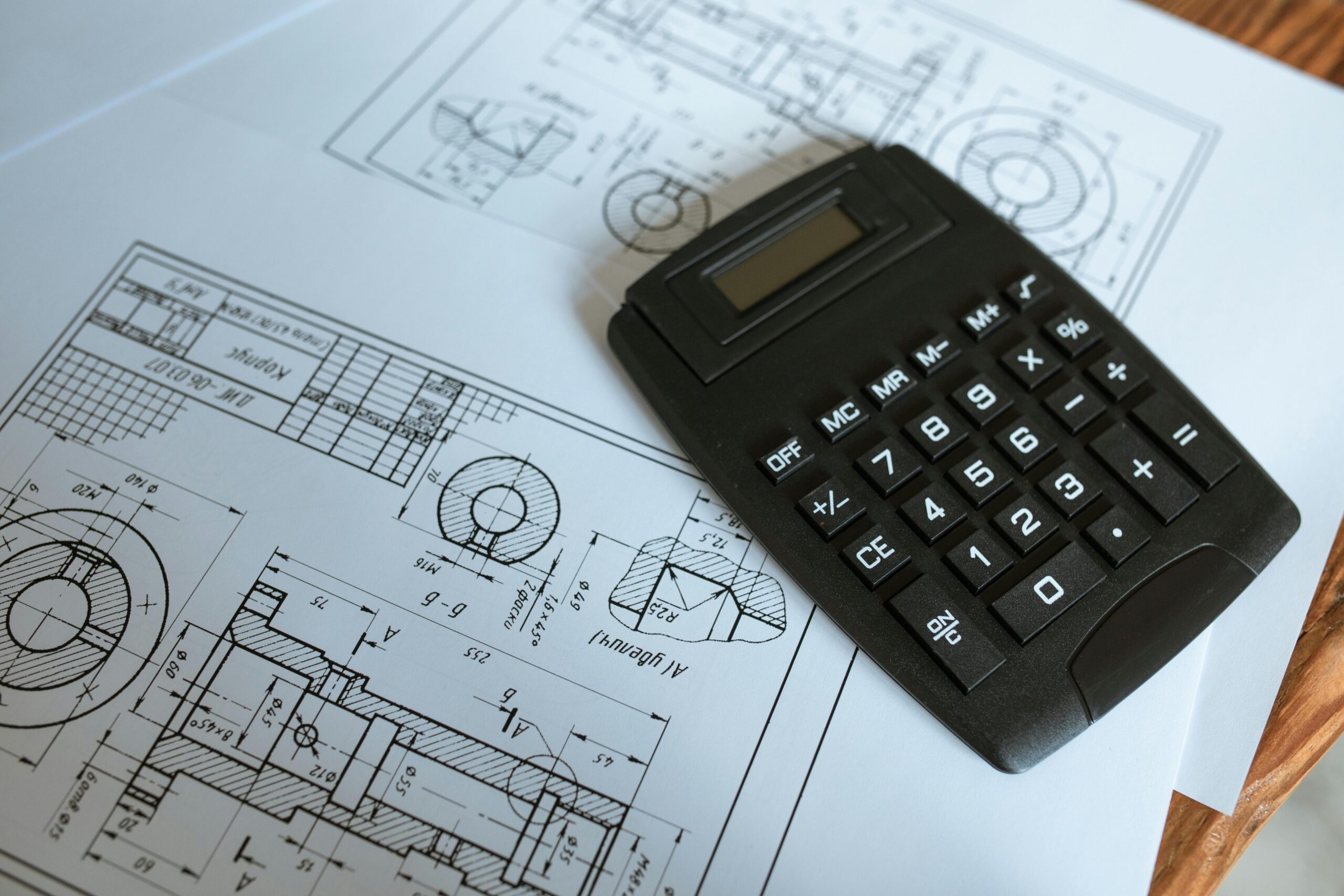
🎯 Your Path to Calculation Mastery Starts Today
Mastering calculation accuracy isn’t about achieving perfection—it’s about implementing systems, developing habits, and maintaining attitudes that minimize errors and catch those that occur before they cause harm. The techniques discussed here represent proven approaches used by professionals across industries where accuracy matters most.
Start by identifying your most frequent calculation types and implementing verification systems for those specific tasks. Build your accuracy toolkit gradually, adding documentation practices, technological aids, and quality assurance processes as they become relevant to your work.
Remember that even small improvements in accuracy compound over time. Reducing your error rate by just a few percentage points prevents dozens or hundreds of mistakes over a career, saving countless hours of correction time and preventing the reputational damage that accompanies significant errors.
The investment you make today in developing calculation accuracy skills pays dividends throughout your professional life. Whether you’re preparing budgets, designing systems, analyzing data, or planning projects, the confidence that comes from knowing your numbers are right enables better decisions and faster progress toward your goals.
Embrace the challenge of accuracy as an opportunity for professional development rather than viewing it as tedious busywork. The attention to detail, systematic thinking, and quality focus that calculation accuracy requires transfer to other aspects of your work, making you more effective across all your responsibilities. Start implementing these strategies today, and watch as your preparation becomes not just flawless, but efficiently and reliably so.