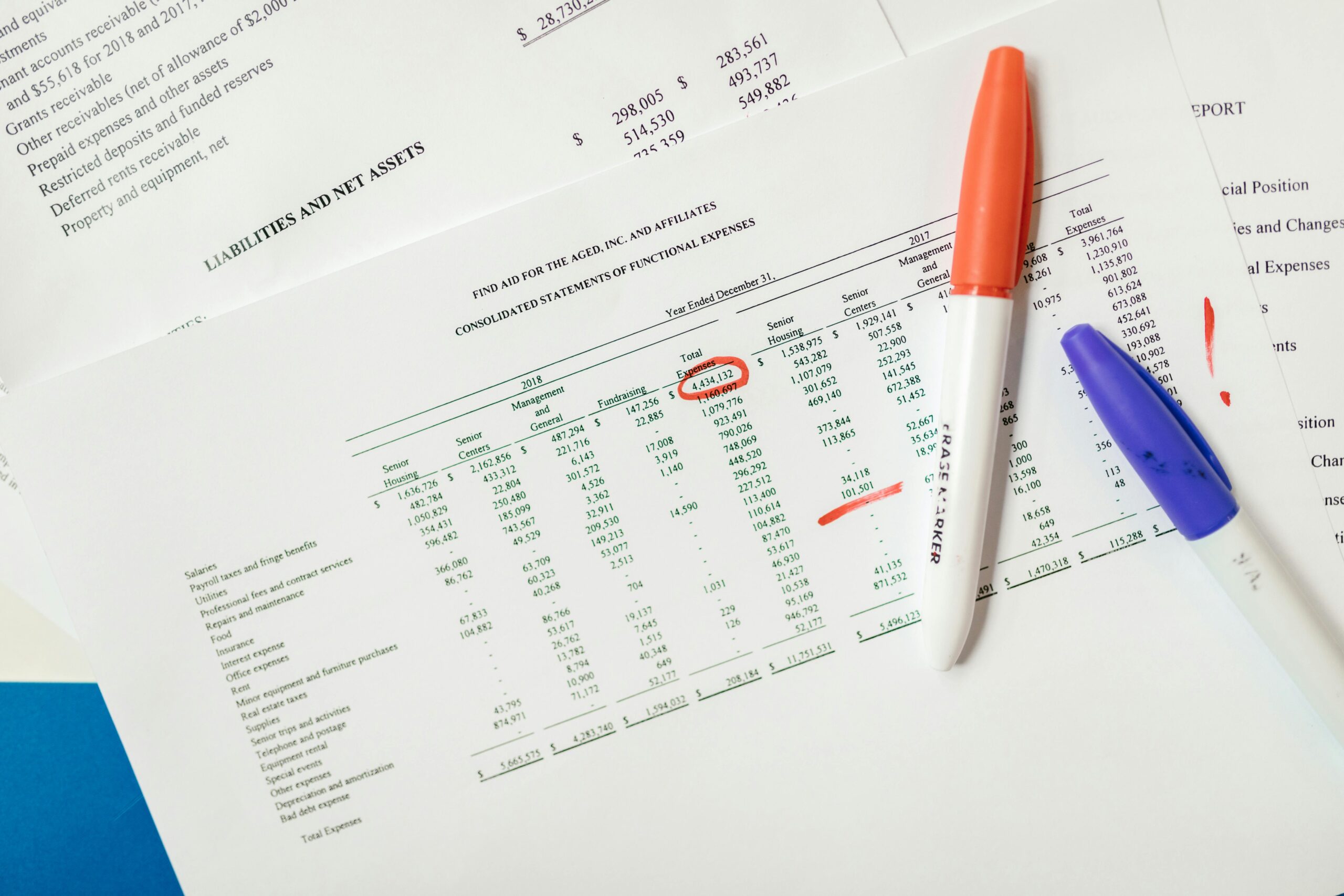
Data visualization can clarify complex information—or distort reality. The way we present scales in charts and summaries often determines whether insights empower or mislead decision-makers.

🔍 Why Scale Misperception Matters More Than You Think
Every day, professionals across industries rely on data summaries to make critical decisions. From quarterly business reviews to medical research presentations, the way numerical information is displayed fundamentally shapes our understanding of reality. Yet one of the most overlooked aspects of data communication is scale manipulation—intentional or accidental distortions that can lead to catastrophically wrong conclusions.
Scale misperception occurs when the visual representation of data creates an impression that doesn’t accurately reflect the underlying numbers. This isn’t always malicious; sometimes it stems from poor design choices, software defaults, or simply a lack of awareness about visual perception principles. Regardless of intent, the consequences remain the same: wasted resources, flawed strategies, and misguided policies.
The human brain processes visual information approximately 60,000 times faster than text. When we glance at a chart, our subconscious makes instant judgments about magnitude, trends, and relationships. If the scale distorts these elements, our first impression—often the most lasting—becomes fundamentally flawed.
📊 The Most Common Scale Manipulation Techniques
Understanding how scales can be manipulated helps you identify problems in your own work and spot deception in others’ presentations. Here are the most prevalent techniques that create misleading impressions:
Truncated Y-Axis: The Amplification Illusion
Perhaps the most widespread form of scale manipulation involves cutting off the bottom portion of a chart’s vertical axis. Instead of starting at zero, the axis begins at a value closer to the data range. This technique dramatically amplifies visual differences between data points.
Consider a sales chart showing revenue increasing from $980,000 to $1,000,000 over six months. If the y-axis runs from $970,000 to $1,000,000, the growth appears steep and impressive. But if the axis starts at zero—as it should for most bar charts and area graphs—the change looks modest, which more accurately represents a 2% increase.
When is truncation acceptable? Line charts tracking variables that naturally don’t include zero (like temperature, stock prices, or survey ratings) can reasonably use truncated axes. The key is context and honesty about what you’re displaying.
Inconsistent Scale Intervals
Another deceptive technique involves using uneven spacing between scale markers. Imagine a timeline where January through March are evenly spaced, but April jumps forward with compressed spacing, followed by normal spacing again. This creates artificial acceleration or deceleration in trend perception.
Similarly, logarithmic scales serve legitimate purposes in certain scientific contexts, but when used without clear labeling, they can make exponential growth appear linear, fundamentally misrepresenting the rate of change.
Dual-Axis Deception
Charts displaying two variables with different scales on left and right y-axes can be extraordinarily useful—or dangerously misleading. By adjusting the scales independently, presenters can make correlation appear stronger or weaker than reality.
For example, plotting ice cream sales against drowning incidents on carefully manipulated dual axes might suggest a causal relationship, when both simply correlate with summer weather. The visual alignment tricks our pattern-recognition instincts into seeing connections that don’t exist.
🧠 The Psychology Behind Why We Fall for Scale Tricks
Our vulnerability to scale manipulation isn’t about intelligence—it’s about how human perception evolved. Understanding these psychological principles helps explain why even experienced analysts sometimes miss obvious distortions.
The human visual system excels at detecting relative differences rather than absolute values. When we see a bar twice as tall as another, we instinctively assume it represents twice the value. This works perfectly when scales are honest, but breaks down when they’re manipulated.
Cognitive load also plays a critical role. When reviewing a presentation with dozens of charts, our mental resources become depleted. We rely increasingly on quick visual impressions rather than carefully examining each scale. Presenters who understand this can exploit decision fatigue to slip distorted visualizations past even skeptical audiences.
Confirmation bias amplifies the problem. When a chart supports what we already believe or want to be true, we scrutinize it less carefully. We accept the visual message at face value rather than questioning whether the scale fairly represents the data.
💼 Real-World Consequences of Scale Misperception
The impact of misleading scales extends far beyond academic concerns. These distortions influence billion-dollar investments, healthcare policies, and personal financial decisions.
Business Strategy Failures
A retail company once invested millions in expanding its online presence based on charts showing explosive e-commerce growth. The truncated axes made 15% annual growth appear like 300% expansion. When reality set in, the overextended company faced layoffs and store closures.
Product teams frequently fall victim to scale manipulation in A/B testing results. A feature might show a “dramatic” conversion rate improvement from 2.1% to 2.3% when displayed on a chart running from 2.0% to 2.5%. The actual 9.5% relative improvement, while positive, doesn’t justify the development resources initially allocated.
Healthcare and Scientific Misinterpretations
Medical research presentations sometimes use truncated axes to make treatment effects appear more significant than they are. A drug showing a 0.5% improvement in outcomes might be visualized to look like a breakthrough, influencing prescription decisions and potentially exposing patients to unnecessary side effects or costs.
During public health crises, misleading graphs can either create unnecessary panic or dangerous complacency. Charts showing case counts with manipulated scales have influenced policy decisions with life-or-death consequences.
Financial Markets and Investment Decisions
Stock performance charts with truncated axes create impressions of volatility or stability that don’t match reality. Individual investors making retirement decisions based on these misleading visualizations can lose substantial wealth or miss opportunities.
Cryptocurrency enthusiasts have been particularly susceptible to scale manipulation, with promotional materials showing “moon shot” trajectories that simply reflect compressed time scales or cherry-picked date ranges rather than sustainable growth patterns.
✅ How to Detect Scale Manipulation in Data Presentations
Developing a critical eye for scale issues protects you from making decisions based on distorted information. Here are practical techniques for spotting problems:
- Always check the axis: Before interpreting any chart, consciously read the scale values. Where does it start? Are intervals consistent? This five-second habit prevents most scale-based errors.
- Look for the zero baseline: For bar charts and area graphs representing quantities, the absence of zero should trigger immediate scrutiny. Ask yourself whether truncation serves clarity or manipulation.
- Calculate actual percentages: Don’t trust visual impressions alone. If a bar looks three times larger, do the math to verify it represents a threefold increase.
- Question dramatic visuals: When a chart seems to show shocking changes, that’s precisely when you should examine the scale most carefully. Extraordinary claims require extraordinary evidence—and honest scales.
- Compare multiple representations: If possible, view the same data in different chart types or with alternative scales. Consistent stories across representations suggest accuracy; contradictions reveal problems.
- Watch for missing context: Scales should include clear labels, units, and reference points. Vague axes like “performance” or “improvement” without specific metrics enable deception.
🛠️ Best Practices for Creating Honest Data Visualizations
If you create data summaries for others, you bear responsibility for accurate representation. These guidelines help ensure your visualizations inform rather than mislead:
Default to Zero for Quantity Comparisons
Bar charts, column charts, and area graphs should start at zero unless you have compelling reasons otherwise. The visual length or area should proportionally represent the actual values. When you must truncate, use clear visual breaks or annotations to signal the manipulation.
Choose Appropriate Chart Types
Different visualizations suit different data types. Line charts work well for continuous time series and can reasonably use non-zero baselines. Pie charts (despite their critics) accurately show proportions without scale manipulation concerns. Scatter plots reveal relationships without implying causation.
Selecting the wrong chart type often necessitates scale manipulation to make the data visible, which should signal that you need a different visualization approach entirely.
Provide Context and Comparison
Scales make sense only in context. A 10% increase might be revolutionary in one industry and disappointing in another. Include benchmarks, historical trends, or industry standards to help viewers interpret magnitudes correctly.
Reference lines, shaded regions, or annotations can highlight what constitutes normal, target, or concerning ranges without distorting the scale itself.
Label Everything Clearly
Axis labels should specify units, time periods, and any adjustments (like inflation-adjusted dollars or seasonally adjusted rates). Viewers shouldn’t need to guess what the numbers represent or how they were calculated.
For dual-axis charts, use distinct colors and clear legends. Consider whether two separate charts might communicate more honestly than forcing different scales onto one visualization.
Test Your Work on Others
Before finalizing important visualizations, show them to colleagues unfamiliar with the data. Ask what story they see. If their interpretation differs from reality, your scale or design needs adjustment.
This testing phase often reveals unintentional biases in how you’ve structured the visualization. Fresh eyes catch problems that familiarity blinds you to.
📱 Tools and Resources for Better Data Literacy
Improving your ability to create and interpret data visualizations requires practice and the right resources. Several tools can help develop these critical skills.
Spreadsheet applications like Excel and Google Sheets offer default chart options, but their automatic scaling doesn’t always make optimal choices. Learning to manually adjust axis properties gives you control over honest representation.
Specialized visualization software such as Tableau, Power BI, or open-source alternatives like Python’s Matplotlib library provide more sophisticated options. These tools offer greater control but also greater responsibility to make ethical choices.
For those seeking to improve statistical literacy and critical thinking about data, numerous online courses cover visualization principles. Platforms offering data science and analytics training typically include modules on ethical visualization practices.
🎯 Making Smarter Decisions with Honest Data Interpretation
Ultimately, recognizing scale misperception isn’t just about avoiding mistakes—it’s about building a culture of intellectual honesty and rigorous thinking in your organization.
When presenting data to decision-makers, prioritize clarity and accuracy over persuasion. Your credibility increases when colleagues know your visualizations reliably represent reality, even when that reality proves inconvenient for preferred narratives.
Establish standards for data visualization within your team or organization. Create templates with appropriate default settings. Develop peer review processes where visualizations receive scrutiny before reaching executives or external audiences.
Encourage questions about scale and methodology. Create environments where challenging a chart’s representation is seen as due diligence rather than obstruction. The best decisions emerge from data that withstands skeptical examination.

🚀 Building Long-Term Data Intelligence
Mastering scale perception represents just one component of broader data literacy. As information becomes increasingly central to decision-making across all fields, developing robust interpretation skills becomes essential for professional success.
Start building a personal library of examples—both good and bad. When you encounter a particularly clear or misleading visualization, save it. These references help you internalize principles and provide teaching tools for others.
Practice explaining data insights to non-technical audiences. This skill forces you to understand what your visualizations actually communicate and whether they require specialized knowledge to interpret correctly.
Stay current with evolving visualization standards and techniques. As data types expand—from traditional spreadsheets to real-time dashboards and interactive exploratory tools—new opportunities for both clarity and deception emerge.
The goal isn’t perfection; every visualization involves compromises and judgment calls. Rather, aim for conscious, ethical choices that prioritize your audience’s understanding over your persuasive goals. When you must simplify complex data, do so transparently, acknowledging limitations rather than hiding them.
By developing sensitivity to scale manipulation and committing to honest representation, you transform data from a tool of persuasion into a foundation for genuine insight. The decisions that follow—whether about business strategy, public policy, or personal finance—rest on solid ground rather than visual illusions. This commitment to truthful data communication ultimately benefits everyone, creating more efficient markets, more effective organizations, and better-informed citizens capable of navigating an increasingly complex information landscape.