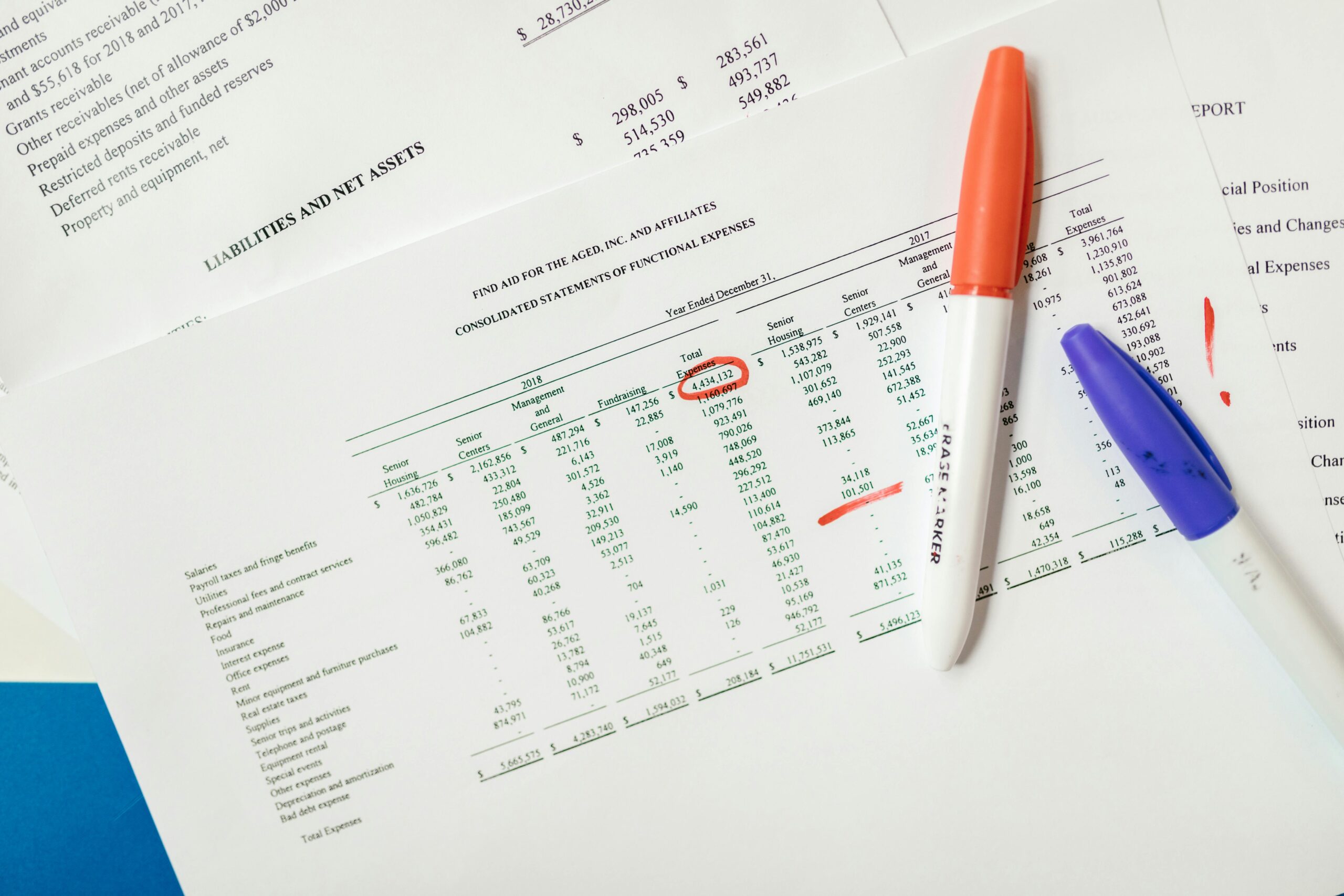
Manual visual maintenance drains resources faster than most organizations realize, quietly eroding profits through inefficiencies that accumulate over time.

In today’s fast-paced business environment, companies across industries rely heavily on visual assets—from digital signage and maintenance checklists to inspection reports and operational dashboards. Yet many organizations continue to manage these critical visual components through manual processes, unaware of the substantial hidden costs lurking beneath the surface. These expenses manifest in wasted labor hours, increased error rates, compliance risks, and missed opportunities for optimization.
The transition from manual to intelligent visual maintenance solutions represents more than just a technological upgrade—it’s a strategic imperative for businesses seeking sustainable competitive advantages. By understanding where hidden costs accumulate and implementing smarter alternatives, organizations can unlock significant value while improving accuracy, speed, and overall operational excellence.
🔍 The True Cost of Manual Visual Management
When executives calculate operational expenses, they typically account for obvious line items: salaries, software licenses, equipment purchases. However, manual visual maintenance generates a shadow economy of costs that rarely appear in traditional budgeting processes.
Time represents the most significant hidden expense. Maintenance technicians, quality inspectors, and facility managers spend countless hours creating, updating, and distributing visual documentation manually. A single inspection report might require photographing equipment, transferring images to a computer, organizing files, inserting photos into templates, adding annotations, and distributing the final document—a process consuming 30-60 minutes per report.
Multiply this across dozens or hundreds of daily inspections, and the labor cost becomes staggering. Organizations with field service teams often discover that technicians spend 20-35% of their workday on administrative tasks rather than productive maintenance activities. This represents thousands of billable hours lost annually for service-based businesses.
Error Propagation and Its Consequences
Manual processes introduce human error at multiple touchpoints. Technicians might photograph the wrong asset, mislabel images, forget critical documentation steps, or transpose data incorrectly when transferring information between systems. Each error creates downstream consequences that compound costs.
Consider a maintenance scenario where a technician photographs equipment during an inspection but fails to capture a critical defect due to poor lighting or camera angle. The missed observation leads to equipment failure weeks later, resulting in emergency repairs, production downtime, and potentially safety incidents—all far more expensive than the original scheduled maintenance would have been.
Quality control suffers similarly. When visual documentation lacks standardization, supervisors struggle to verify work completion or assess maintenance quality consistently. This variability creates liability exposure and complicates warranty claims or regulatory audits.
📊 Quantifying Hidden Inefficiencies
To illustrate the financial impact of manual visual maintenance, consider these industry benchmarks based on research from facilities management and field service organizations:
| Cost Category | Manual Process Impact | Annual Cost (100-person operation) |
|---|---|---|
| Administrative Time | 25% of technician hours | $875,000 |
| Rework Due to Errors | 8-12% of jobs | $280,000 |
| Documentation Delays | 24-48 hour lag time | $165,000 |
| Compliance Gaps | 15% incomplete records | $95,000 |
| Lost Productivity | Context switching overhead | $210,000 |
These figures demonstrate that a mid-sized maintenance operation could be losing over $1.6 million annually to manual visual documentation inefficiencies—costs that directly impact bottom-line profitability without adding any customer value.
💡 Smart Visual Maintenance: The Technology Revolution
Modern visual maintenance solutions leverage mobile technology, cloud computing, artificial intelligence, and automation to eliminate manual bottlenecks. These platforms transform how organizations capture, process, analyze, and act on visual information throughout maintenance workflows.
Mobile-first applications enable technicians to document conditions instantly using smartphones or tablets. Instead of juggling cameras, notebooks, and clipboards, field workers access integrated tools that combine photography, annotation, data entry, and reporting in streamlined workflows designed specifically for maintenance contexts.
Automated Image Processing and Organization
Intelligent systems automatically organize visual documentation by asset, location, date, and maintenance activity. Machine learning algorithms can detect and classify equipment types, identify defects, and even assess severity levels without human intervention. This automation eliminates the tedious sorting and filing that consumes hours in manual approaches.
Some advanced platforms incorporate computer vision capabilities that analyze maintenance photos in real-time, highlighting potential issues and ensuring technicians capture necessary angles and details before leaving the site. This immediate quality assurance prevents incomplete documentation that would otherwise require return visits.
Seamless Integration with Existing Systems
Modern maintenance solutions connect with enterprise resource planning (ERP) systems, computerized maintenance management systems (CMMS), and other business applications through APIs and integrations. This connectivity ensures visual documentation flows automatically into work orders, asset histories, and compliance records without manual data transfer.
The integration eliminates duplicate data entry—a major time sink in manual workflows—while ensuring consistency across systems. When a technician completes an inspection, photos and findings instantly update asset records, trigger follow-up work orders, and populate management dashboards without additional effort.
🚀 Implementation Strategies for Maximum ROI
Transitioning from manual to smart visual maintenance requires thoughtful planning to maximize return on investment and ensure user adoption. Organizations that approach implementation strategically typically achieve full productivity gains within 3-6 months, while hasty rollouts often struggle with resistance and underutilization.
Start with High-Impact Use Cases
Rather than attempting to digitize all visual maintenance processes simultaneously, identify specific workflows where manual methods create the most friction. Common high-value starting points include:
- Safety inspections: Time-sensitive documentation with significant compliance implications
- Equipment commissioning: Detailed visual records required for warranty and baseline condition
- Defect tracking: Situations requiring clear before-and-after documentation
- Preventive maintenance rounds: Repetitive activities where standardization delivers immediate efficiency gains
- Emergency response: Critical scenarios demanding rapid documentation and communication
Focusing initially on these high-impact areas generates quick wins that build organizational momentum and demonstrate value to stakeholders, facilitating broader adoption.
Prioritize User Experience and Training
Technology sophistication means nothing if technicians find systems difficult to use in field conditions. The best maintenance solutions feature intuitive interfaces designed for users wearing gloves, working in bright sunlight, or operating in confined spaces. Offline functionality ensures technicians can document work even without connectivity, with automatic synchronization when networks become available.
Comprehensive training accelerates adoption and ensures teams leverage full platform capabilities. Effective training programs combine hands-on practice, role-specific instruction, and ongoing support rather than one-time orientation sessions. Organizations achieving highest adoption rates typically designate “power users” who champion the technology and provide peer assistance.
📈 Measuring Success and Continuous Improvement
Implementing smarter visual maintenance solutions creates opportunities for data-driven decision making that was impossible with manual processes. Modern platforms generate analytics that reveal patterns, identify improvement opportunities, and quantify operational performance in unprecedented detail.
Key performance indicators worth tracking include:
- Average time per inspection or maintenance task
- Documentation completion rates
- First-time fix rates
- Mean time between failures for critical assets
- Compliance audit scores
- Customer satisfaction ratings for service delivery
- Cost per maintenance activity
Establishing baseline measurements before implementation allows organizations to quantify improvements objectively. Many companies discover 30-50% productivity gains in documentation activities, 15-25% reductions in repeat visits, and 40-60% faster report delivery to stakeholders.
Leveraging Predictive Insights
As visual maintenance databases grow, advanced analytics unlock predictive capabilities that transform reactive maintenance into proactive asset management. Machine learning models analyze thousands of equipment photos to identify subtle patterns indicating impending failures, enabling intervention before breakdowns occur.
This predictive approach fundamentally changes the economics of maintenance. Rather than expensive emergency repairs or rigid preventive schedules, organizations optimize maintenance timing based on actual asset conditions revealed through visual evidence. The result: reduced total maintenance costs while improving equipment reliability and uptime.
🌐 Industry-Specific Applications and Benefits
Smart visual maintenance solutions deliver value across diverse industries, though specific applications and benefits vary by operational context.
Manufacturing and Production Facilities
Manufacturing environments benefit from standardized visual inspection protocols that ensure equipment operates within specifications. Thermal imaging integration detects overheating components before failures occur, while visual tracking of tool wear optimizes replacement schedules. Production managers gain real-time visibility into facility conditions without leaving the control room.
Property and Facilities Management
Property managers oversee hundreds or thousands of assets across multiple locations, making manual visual documentation particularly burdensome. Smart solutions enable centralized visibility into property conditions, streamline tenant service requests with photo documentation, and simplify vendor management through shared visual work orders. Preventive maintenance compliance improves dramatically when systems automatically schedule and track routine inspections.
Transportation and Fleet Operations
Vehicle inspection documentation represents a regulatory requirement and liability protection for transportation companies. Digital visual inspections ensure drivers complete pre-trip checks consistently, automatically flagging safety defects for immediate attention. Accident documentation becomes faster and more thorough, supporting insurance claims and legal defense when necessary.
Energy and Utilities
Infrastructure inspection in energy sectors often occurs in remote or hazardous locations where efficiency and safety are paramount. Smart visual maintenance solutions enable thorough documentation while minimizing time in dangerous environments. Drone integration extends visual inspection capabilities to difficult-access areas like transmission towers or wind turbines, capturing detailed imagery without personnel exposure.
🔐 Security, Compliance, and Risk Management
Visual maintenance documentation carries significant compliance and legal implications across regulated industries. Manual processes create gaps and inconsistencies that expose organizations to regulatory penalties, failed audits, and litigation risks.
Smart maintenance platforms address these concerns through features specifically designed for compliance requirements:
- Audit trails: Automatic logging of all documentation activities with timestamps and user attribution
- Mandatory fields: System-enforced completion of required information before technicians can close work orders
- Digital signatures: Legally binding approval workflows for critical maintenance activities
- Retention policies: Automated archival ensuring records remain accessible for regulatory periods
- Access controls: Role-based permissions protecting sensitive information while enabling appropriate visibility
Data security represents another critical consideration. Enterprise-grade platforms employ encryption, secure authentication, and regular security audits to protect visual maintenance data from unauthorized access or breaches. Cloud-based solutions typically offer superior security compared to manual processes involving unsecured photos on personal devices or paper documents vulnerable to loss.
💰 Calculating Your Return on Investment
Smart visual maintenance solutions require upfront investment in software licensing, implementation, and training. Organizations naturally want to understand expected returns before committing resources. While specific ROI varies by operational scale and current inefficiency levels, most implementations achieve payback within 6-18 months.
To estimate potential returns for your organization, consider these calculation factors:
Labor savings: (Number of technicians) × (hours spent on manual documentation weekly) × (hourly labor cost) × (efficiency improvement percentage) × 52 weeks
Error reduction: (annual rework costs) × (error rate improvement percentage)
Productivity gains: (additional billable hours recovered) × (average billing rate)
Compliance value: (potential penalty costs) × (risk reduction percentage)
Many organizations discover that labor savings alone justify investment, with error reduction and productivity gains providing additional value. Service businesses particularly benefit from converting administrative time into billable customer service hours.

🎯 Taking the Next Step Toward Smarter Maintenance
The evidence is clear: manual visual maintenance processes impose substantial hidden costs that smart solutions eliminate while improving quality, compliance, and operational visibility. Organizations continuing to rely on clipboards, cameras, and spreadsheets leave significant value unrealized.
Beginning the transition doesn’t require wholesale operational disruption. Start by evaluating current processes to identify the most painful manual workflows and quantify associated costs. Engage maintenance teams in solution selection to ensure chosen platforms meet real-world field requirements. Pilot implementations in limited scopes allow organizations to validate benefits and refine approaches before broader rollout.
Technology continues advancing rapidly, with artificial intelligence, augmented reality, and Internet of Things sensors creating even more powerful visual maintenance capabilities. Organizations that establish digital foundations today position themselves to leverage these emerging technologies as they mature, while those clinging to manual methods fall further behind competitive benchmarks.
The question isn’t whether to modernize visual maintenance processes—it’s how quickly your organization can capture the substantial financial and operational benefits waiting to be unlocked. Every day spent on manual documentation represents another day of hidden costs eroding profitability and another opportunity for competitors to gain ground.
Smart maintenance solutions have matured beyond early-adopter status into proven platforms delivering measurable results across industries and operational scales. The tools exist today to transform visual maintenance from a costly administrative burden into a strategic asset driving better decisions, improved reliability, and sustained competitive advantage. The only remaining step is taking action to implement change that your organization—and your bottom line—will feel immediately. 🌟