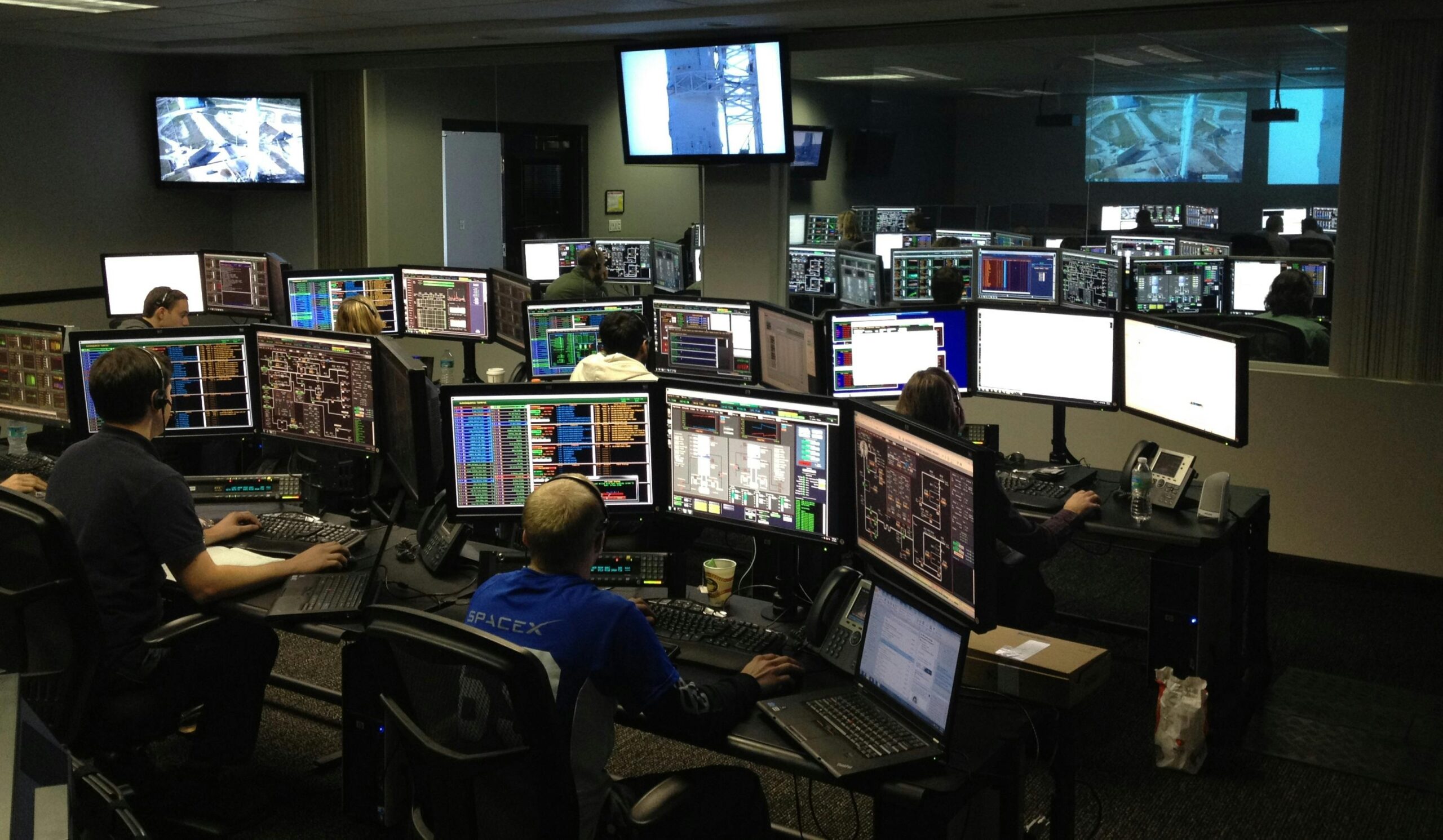
Your brain isn’t designed to maintain peak performance indefinitely. Mental exhaustion silently erodes your precision, decision-making, and productivity in ways you might not immediately recognize.

🧠 The Hidden Cost of Mental Overload
Cognitive fatigue operates like a silent saboteur in your daily performance. Unlike physical tiredness that announces itself through obvious bodily signals, mental exhaustion creeps in gradually, diminishing your accuracy and effectiveness before you even realize what’s happening. Understanding this phenomenon is crucial for anyone seeking to optimize their performance, whether you’re a professional athlete, knowledge worker, student, or entrepreneur.
Research consistently demonstrates that our brains consume approximately 20% of our body’s energy despite representing only 2% of our body weight. This massive energy demand makes our cognitive resources finite and vulnerable to depletion. When these resources run low, the consequences ripple through every aspect of performance that requires attention, precision, and judgment.
Understanding Cognitive Fatigue: More Than Just Feeling Tired
Cognitive fatigue differs fundamentally from sleepiness or physical exhaustion. It represents a specific decline in mental performance caused by prolonged periods of demanding cognitive activity. This state emerges when your prefrontal cortex—the brain region responsible for executive functions like decision-making, impulse control, and focused attention—becomes temporarily depleted of resources.
The symptoms manifest in various ways that directly impact accuracy:
- Decreased reaction times to critical information
- Increased error rates in routine tasks
- Diminished ability to filter irrelevant information
- Reduced capacity to maintain sustained attention
- Impaired working memory function
- Greater susceptibility to distraction
- Declining judgment quality in complex decisions
The Accuracy Erosion Pattern: How Performance Deteriorates
When cognitive fatigue sets in, accuracy doesn’t collapse suddenly—it erodes systematically. Understanding this pattern helps you recognize warning signs before critical mistakes occur.
Stage One: Subtle Precision Loss
Initially, you might notice minor inconsistencies. A trader makes slightly delayed entries. A surgeon’s hand movements become marginally less fluid. A programmer introduces small syntax errors they’d normally catch immediately. These micro-errors seem insignificant individually but represent your brain’s early distress signals.
Stage Two: Attention Fragmentation
As fatigue deepens, your attentional spotlight narrows. You begin missing peripheral information that would normally register. Context awareness diminishes. This stage is particularly dangerous because you often remain convinced you’re performing adequately, creating a gap between perceived and actual competence.
Stage Three: Strategic Deterioration
Eventually, higher-order thinking suffers. You default to familiar patterns rather than adapting to situational demands. Creative problem-solving gives way to rigid, formulaic approaches. Decision-making becomes reactive rather than proactive, and risk assessment accuracy plummets.
⚡ The Neuroscience Behind Declining Accuracy
Your brain relies on neurotransmitters like dopamine, norepinephrine, and acetylcholine to maintain focus and precision. Prolonged cognitive demand depletes these neurochemicals faster than your brain can replenish them. Simultaneously, adenosine—a byproduct of neural activity—accumulates, further suppressing cognitive function.
The prefrontal cortex, being metabolically expensive, becomes particularly vulnerable. As glucose and oxygen supplies struggle to meet demand, this region begins operating suboptimally. The result? Your ability to suppress impulses weakens, attention control falters, and error-detection mechanisms become less reliable.
Neuroimaging studies reveal that cognitively fatigued brains show reduced activation in task-relevant regions and increased activation in the default mode network—the brain state associated with mind-wandering rather than focused task execution. This neurological shift directly correlates with measurable accuracy declines.
Performance Domains Most Vulnerable to Cognitive Fatigue
While cognitive fatigue affects all mental performance, certain domains show particular vulnerability.
Complex Decision-Making Under Pressure
Medical professionals making diagnostic decisions, emergency responders coordinating crisis responses, and financial traders executing time-sensitive transactions all depend on sustained cognitive resources. Research shows that physicians make significantly more diagnostic errors during extended shifts, and judges demonstrate harsher sentencing toward the end of decision-making sessions.
Precision Motor Skills Requiring Cognitive Control
Athletic performance that combines technical precision with strategic thinking—like golf, archery, or tennis—suffers measurably under cognitive fatigue. The brain’s ability to coordinate fine motor control with tactical awareness diminishes, leading to form breakdowns and strategic errors.
Creative and Analytical Problem-Solving
Tasks requiring novel thinking, pattern recognition, and logical analysis show steep performance curves as cognitive fatigue increases. Software developers produce buggier code, designers generate less innovative solutions, and analysts miss critical data patterns.
🎯 Recognizing Your Personal Fatigue Signals
Developing awareness of your unique cognitive fatigue indicators enables proactive intervention before accuracy suffers significantly. Everyone experiences slightly different warning signs, but common patterns include:
Increased impulsivity in responses and decisions suggests your prefrontal inhibitory control is weakening. You might find yourself interrupting others more, making snap judgments without adequate consideration, or clicking “send” on messages that needed more thought.
Growing irritability and reduced frustration tolerance often precede measurable performance declines. When minor inconveniences trigger disproportionate reactions, your cognitive reserves are running low.
Difficulty maintaining task engagement—constantly checking your phone, browsing unrelated websites, or mentally planning unrelated activities—indicates your brain is seeking recovery through disengagement.
The Compounding Effect: When Cognitive Debt Accumulates
Single instances of cognitive fatigue resolve with adequate rest. However, chronic patterns create cumulative deficits that progressively degrade baseline performance. This “cognitive debt” mirrors sleep debt, where repeated insufficient recovery leads to increasingly compromised functioning.
Professionals operating in demanding environments often normalize this degraded state, accepting reduced accuracy as inevitable rather than addressable. Over time, this acceptance creates organizational cultures where preventable errors become statistically expected rather than systematically addressed.
Strategic Recovery: Rebuilding Cognitive Resources
Effective recovery from cognitive fatigue requires understanding that different mental activities deplete different resources. Strategic recovery involves both general restoration and specific replenishment.
Microbreaks: Small Interventions With Significant Impact
Research demonstrates that brief diversions lasting just 30-60 seconds can partially restore attentional capacity. Looking away from your screen to focus on distant objects, standing and stretching, or practicing brief breathing exercises all provide measurable benefits.
The key lies in true disengagement rather than task-switching. Checking email during a “break” provides no cognitive recovery because it maintains cognitive demand.
Physical Movement as Cognitive Restoration
Exercise increases cerebral blood flow, delivering fresh oxygen and glucose while clearing metabolic waste products. Even brief walks show remarkable restorative effects on subsequent cognitive performance. A 10-minute outdoor walk can restore attention capacity comparable to much longer passive rest periods.
Nature Exposure and Attention Restoration
Natural environments uniquely restore cognitive resources through what researchers call “soft fascination”—gentle, effortless engagement that allows directed attention mechanisms to recover. Views of nature, even through windows or in photographs, provide measurable restorative benefits.
🛡️ Building Cognitive Resilience: Prevention Strategies
While recovery addresses existing fatigue, building resilience prevents rapid depletion in the first place.
Task Structuring for Sustained Performance
Organizing work to alternate between high-demand cognitive tasks and lower-demand activities creates natural recovery opportunities. This approach maintains higher average performance than attempting sustained high-intensity cognitive work.
Batching similar tasks reduces the cognitive switching costs that accelerate fatigue. Each context shift requires mental resources to reorient, rules to reload, and goals to reactivate.
Environmental Optimization
Your physical environment significantly impacts cognitive endurance. Temperature extremes, poor lighting, excessive noise, and uncomfortable seating all impose additional cognitive load that accelerates fatigue.
Creating environments that minimize unnecessary cognitive demands preserves resources for tasks that actually matter. This might include using noise-canceling headphones, adjusting lighting to reduce glare, or maintaining comfortable temperature ranges.
Attention Training and Mindfulness Practice
Regular mindfulness meditation strengthens the neural networks supporting sustained attention and cognitive control. Studies show that even brief daily practice produces measurable improvements in attention stability and resistance to distraction.
These practices don’t eliminate cognitive fatigue but increase the threshold before performance degradation begins and accelerate recovery rates.
The Role of Nutrition in Cognitive Endurance
Your brain’s massive energy demands make nutritional status critically important for sustained accuracy. Glucose provides the primary fuel, but stable delivery matters more than absolute quantity.
Complex carbohydrates, proteins, and healthy fats provide sustained energy release that maintains cognitive function better than simple sugars causing rapid spikes and crashes. Hydration status also significantly impacts cognitive performance, with even mild dehydration reducing attention and increasing error rates.
Strategic caffeine use can temporarily enhance focus and reduce fatigue perception, but excessive or poorly timed consumption creates dependency and can worsen cognitive function during withdrawal periods.
📊 Measuring and Monitoring Your Cognitive Performance
Objective performance tracking reveals patterns invisible to subjective awareness. During cognitive fatigue, self-assessment accuracy declines alongside actual performance—you become increasingly unable to recognize your own deteriorating precision.
Digital tools can help track performance metrics relevant to your specific domain. Programmers might monitor commits and code review comments. Writers can track words per hour and editing passes required. Athletes can log reaction times and technical execution ratings.
Identifying your personal performance curves—how accuracy changes over time during sustained cognitive work—enables strategic scheduling of high-stakes activities during peak cognitive periods.
Sleep: The Ultimate Cognitive Reset
No discussion of cognitive fatigue is complete without addressing sleep’s foundational role. Sleep doesn’t merely provide passive rest—it actively restores cognitive function through multiple mechanisms including metabolic waste clearance, memory consolidation, and neurochemical replenishment.
Chronic sleep restriction creates a baseline cognitive deficit that makes you vulnerable to rapid fatigue onset. Even when you feel subjectively adapted to limited sleep, objective performance measures reveal persistent accuracy deficits.
Prioritizing consistent, adequate sleep provides the single most powerful intervention for maintaining cognitive performance and accuracy over time.
🚀 Implementing Your Personal Focus Management System
Transforming this knowledge into sustained performance improvement requires systematic implementation. Begin by establishing baseline awareness through a week of careful self-monitoring. Note when accuracy suffers, what preceded those periods, and what recovery strategies prove effective.
Design your ideal day structure around cognitive realities rather than arbitrary schedules. Place your most demanding, accuracy-critical work during your peak cognitive windows. Build in strategic recovery periods rather than pushing through until exhaustion forces breaks.
Experiment with different intervention strategies to discover what works best for your unique cognitive profile. Some individuals respond better to movement breaks, others to brief mindfulness practices, and still others to environmental changes.
The Competitive Advantage of Cognitive Management
In environments where everyone has access to similar information, tools, and training, cognitive management becomes a crucial differentiator. The professional who maintains accuracy through extended challenges outperforms equally skilled competitors who allow cognitive fatigue to degrade their precision.
Organizations increasingly recognize this reality, implementing policies that protect cognitive resources: limiting meeting duration, establishing “focus time” blocks, creating quiet work zones, and respecting recovery needs.
Individuals who master their own cognitive energy don’t just avoid mistakes—they maintain the clear thinking required for breakthrough insights, strategic decisions, and creative solutions even under pressure.

Moving Forward With Intention
Mastering focus in a world designed to fragment attention requires more than willpower—it demands systematic strategies based on cognitive science. Recognizing how mental fatigue erodes accuracy empowers you to implement protective measures before performance suffers.
Your cognitive resources represent your most valuable professional asset. Managing them strategically isn’t about working harder or longer—it’s about working smarter by aligning your efforts with your brain’s natural capabilities and limitations.
Start with small, sustainable changes. Implement one recovery strategy this week. Adjust your schedule to protect your peak cognitive hours next week. Gradually build a comprehensive system that sustains accuracy and performance over time rather than borrowing against future cognitive capacity.
The difference between good and exceptional performance often comes down to maintaining precision when others falter. By understanding and managing cognitive fatigue, you position yourself to deliver your best work consistently, not just occasionally. 🎯